
Q&A with David Miliband

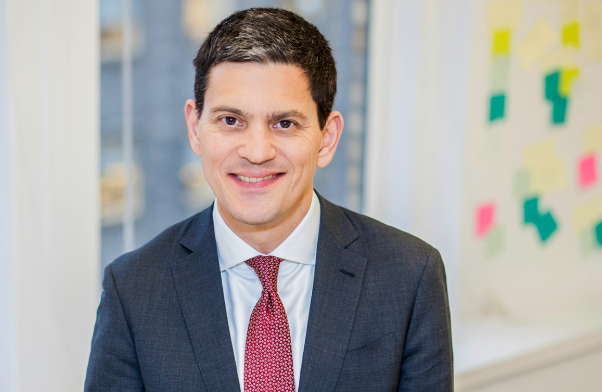
Q: Vanshika Thakur, Blogger of The Real Rectitude
A: David Miliband, Former Secretary of State for Foreign and Commonwealth Affairs of the United Kingdom
Q1: How do humanitarian crises intersect with geopolitics today?
A: Humanitarian crises are rarely isolated; they often reflect underlying political conflicts or governance failures. Responses must balance immediate aid with long-term political stability. Effective diplomacy requires integrating both humanitarian and strategic objectives.
Q2: In conflict zones like Ukraine or Syria, how can international actors avoid exacerbating tensions while providing aid?
A: Coordination and neutrality are critical. Humanitarian interventions must respect local dynamics and avoid appearing partisan. Missteps can fuel mistrust, reducing the effectiveness of both aid and diplomacy.
Q3: How does global migration shape international relations?
A: Migration creates both challenges and opportunities for states. It can strain resources and political systems, but it also fosters cross-cultural exchange and economic growth. Policies that balance security and human rights are essential.
Q4: What lessons can Europe draw from recent refugee crises?
A: Europe must integrate short-term humanitarian relief with long-term integration strategies. Solidarity among nations strengthens both regional stability and public support. Ignoring political, economic, and social dimensions undermines effectiveness.
Q5: How can NGOs influence global policy beyond humanitarian work?
A: NGOs provide expertise, data, and moral advocacy that can shape policy debates. By highlighting overlooked populations and pressing for accountability, they hold governments and international organizations accountable. Their influence complements formal diplomacy.
Closing Q: What is the key to aligning humanitarian action with global security?
A: The key lies in recognizing that humanitarian and security goals are interdependent. Effective strategies protect lives while addressing root causes of conflict. This integrated approach strengthens both morality and stability on the global stage.


