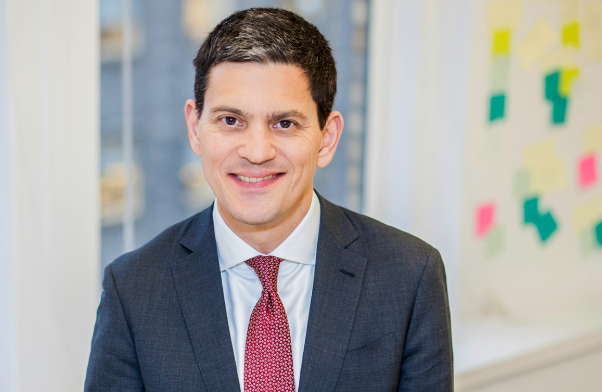
Q&A With Deborah Archer

Updated: Aug 25, 2025

Q: Vanshika Thakur, Blogger of The Real Rectitude
A: Deborah Archer, President and Executive Director of the ACLU
Q: President Archer, how is the ACLU responding to the Trump administration’s recent executive order to dismantle the Department of Education?
A: This action is deeply alarming. The Department of Education plays a critical role in protecting students’ civil rights, especially those from marginalized communities. We’re currently exploring all legal avenues to challenge this overreach. The executive order bypasses Congress and undermines long-established federal responsibilities. It’s not just an education issue — it’s a constitutional one.
Q: From an international legal perspective, do you believe the dismantling of civil departments signals broader erosion of democratic norms?
A: Yes, and we’ve seen this pattern globally. When executive branches begin to hollow out public institutions, especially those tied to rights enforcement, it often precedes a slide into authoritarianism. Civil institutions must be shielded from politicized agendas. If we normalize their dismantling here, we set a dangerous precedent abroad as well.
Q: The Trump administration has pushed aggressive immigration enforcement policies again, some of which mirror its 2017 playbook. Is the ACLU preparing similar legal strategies to challenge them?
A: We are. Many of these policies, from family separation to expanded deportation, have either resurfaced or been rebranded. Our legal teams are actively litigating in states where due process violations and unconstitutional detentions are occurring. We’re also working internationally with asylum networks to monitor violations of international refugee law.
Q: As the Trump-aligned federal judiciary grows, how is the ACLU adapting its litigation strategy to a court system that may be increasingly hostile to civil liberties?
A: We’re adapting by expanding grassroots and legislative advocacy. While litigation remains central, we recognize that public pressure and local lawmaking are increasingly vital. We’re also shifting toward preemptive legal action, challenging laws before they take full effect, and partnering with legal scholars to build arguments rooted in precedent that even ideologically conservative courts can’t ignore.
Q: Some critics argue the ACLU has become too “political.” How do you respond to concerns about partisanship?
A: The ACLU isn’t partisan. Defending the Constitution and civil rights will inevitably intersect with politics, especially when civil liberties are under attack. Our work remains grounded in core values: freedom of speech, due process, equal protection, privacy. These aren’t left or right — they’re American.
Q: Can you speak to the ACLU’s international advocacy? How does your organization respond when U.S. legal decisions clash with international human rights norms?
A: We partner with global organizations like Amnesty and Human Rights Watch to amplify accountability. When U.S. decisions violate treaties — like the Convention Against Torture or international refugee protections — we bring these issues to international forums. The U.S. must remain a rights leader globally, not a cautionary tale.
Q: Looking ahead to the 2026 midterms, how is the ACLU preparing to defend voting rights and civic engagement under this administration?
A: We’re scaling our Let People Vote initiative and deploying election protection teams in over 30 states. With this administration’s embrace of voter suppression tactics — including ID laws, purging, and disinformation — we’re fighting both in court and on the ground. Civic participation is the cornerstone of democracy. Without it, none of our other rights can be defended.